Drain Field Installation in Denver, CO
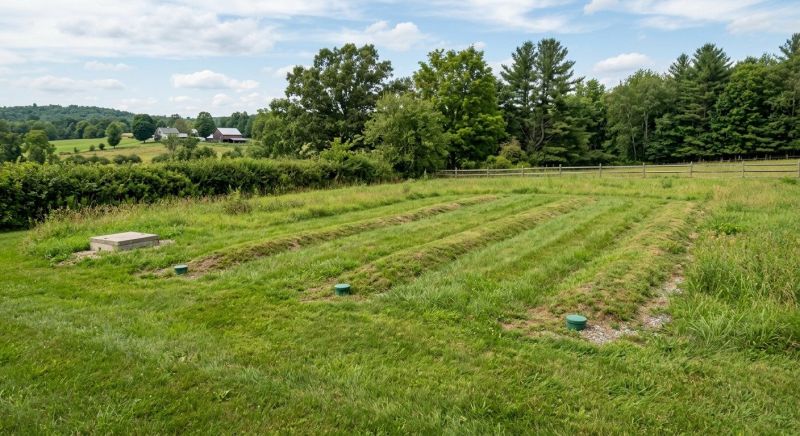
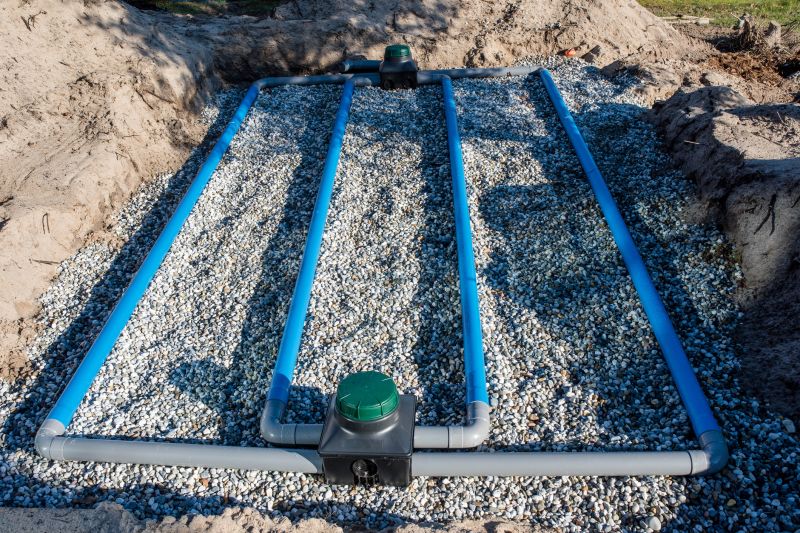
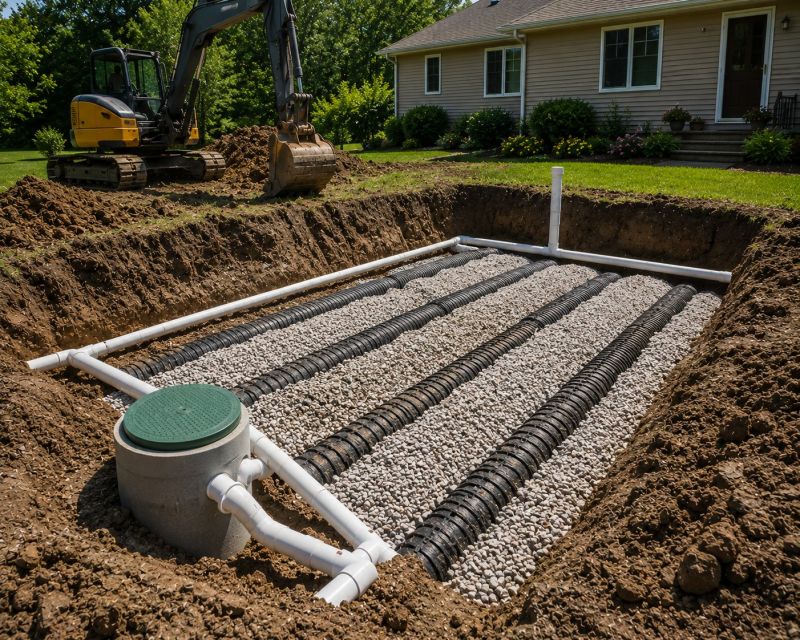
Drain field installation services involve setting up the underground system responsible for dispersing wastewater from a septic tank into the soil. This process typically includes designing and installing drain fields such as trenches, beds, or chambers that allow effluent to safely and efficiently percolate into the ground. Projects may range from new septic system setups for residential properties to replacing or upgrading existing drain fields that no longer function properly. Property owners often seek information about the size and layout of the drain field, the suitability of their soil conditions, and how the installation will impact their property.
Before requesting drain field installation, homeowners should understand the importance of proper site assessment, including soil testing and evaluation of the property's drainage capabilities. It’s also helpful to consider the location of the drain field in relation to wells, gardens, and structures to ensure safety and compliance with local regulations. Clarifying the scope of work, such as whether the project involves excavation, grading, or additional drainage considerations, can help property owners plan effectively and ensure the system will meet their household’s wastewater management needs.
Many property owners in Denver, CO look into Drain Field Installation for repairs, replacements, upgrades, and appearance-related improvements.
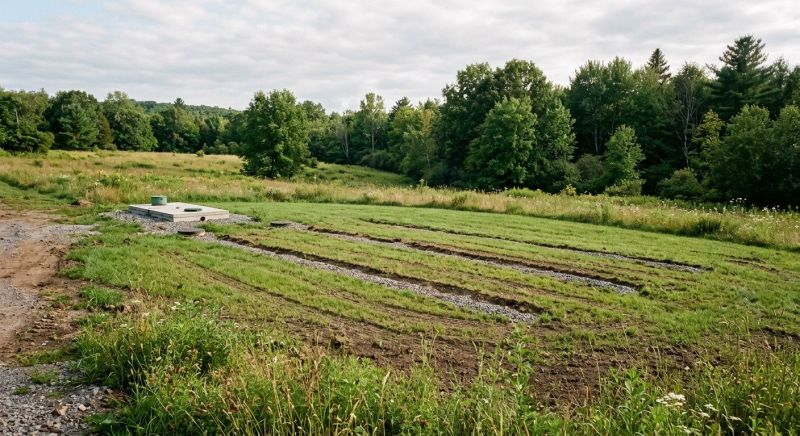
Drain Field Design And Planning
Proper layout ensures efficient wastewater dispersal for residential and commercial properties.
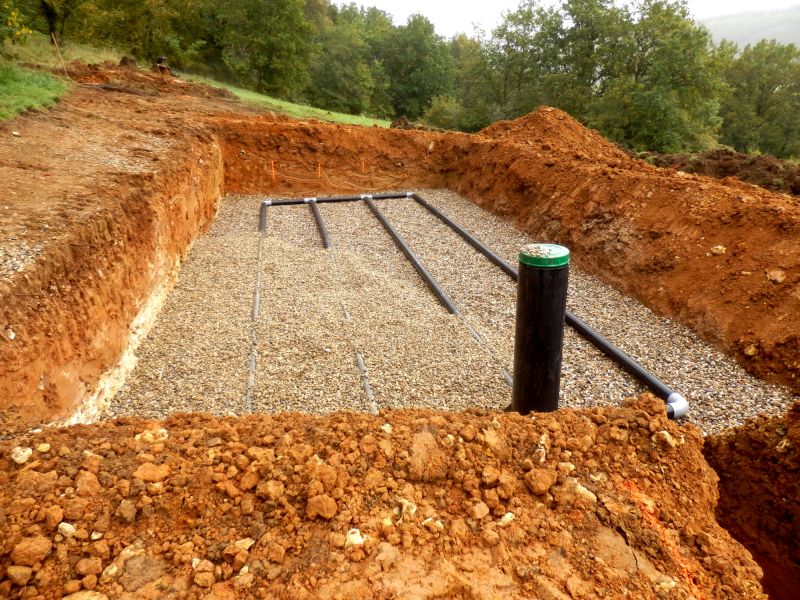
Installation And Setup
Professional installation guarantees the drain field functions effectively and complies with local codes.
Maintenance And Troubleshooting
Regular inspection and repairs help extend the lifespan and prevent system failures in denver-area properties.
Drain Field Installation in Denver, CO

Drain field installation services involve setting up the underground system responsible for dispersing wastewater from a septic tank into the soil. This process typically includes designing and installing drain fields such as trenches, beds, or chambers that allow effluent to safely and efficiently percolate into the ground. Projects may range from new septic system setups for residential properties to replacing or upgrading existing drain fields that no longer function properly. Property owners often seek information about the size and layout of the drain field, the suitability of their soil conditions, and how the installation will impact their property.
Before requesting drain field installation, homeowners should understand the importance of proper site assessment, including soil testing and evaluation of the property's drainage capabilities. It’s also helpful to consider the location of the drain field in relation to wells, gardens, and structures to ensure safety and compliance with local regulations. Clarifying the scope of work, such as whether the project involves excavation, grading, or additional drainage considerations, can help property owners plan effectively and ensure the system will meet their household’s wastewater management needs.
Many property owners in Denver, CO look into Drain Field Installation for repairs, replacements, upgrades, and appearance-related improvements.
Common Drain Field Installation Jobs
Drain Field Installation - Essential for proper wastewater dispersal and system longevity.
Septic Drain Fields - Designed to safely filter and treat household sewage.
Leach Field Setup - Provides an effective method for wastewater absorption into the soil.
Absorption Field Installation - Ensures reliable drainage for homes without municipal sewer access.
Soil Testing and Site Preparation - Critical steps to determine the best location for drain field placement.
Replacement and Repair Services - Addressing issues with existing drain fields to restore proper function.
Drain Field Installation Questions
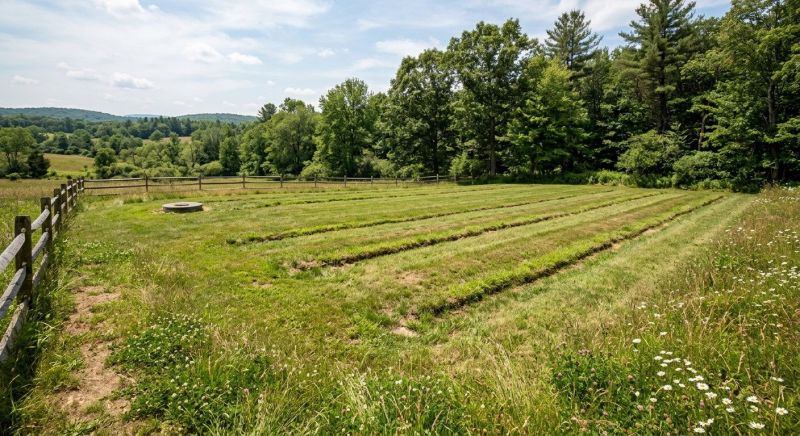
What is a drain field? A drain field is an underground system that disperses treated wastewater from a septic tank into the soil for natural filtration.
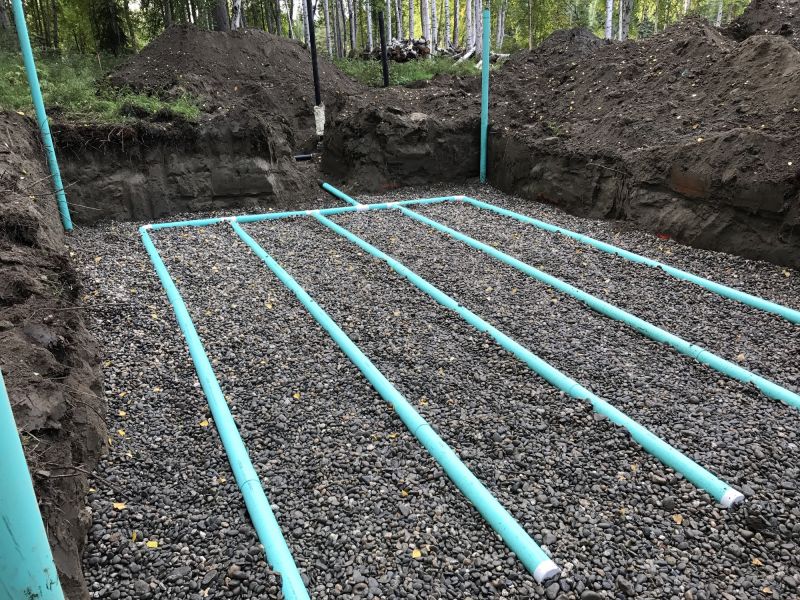
How is a drain field installed? Installation involves excavating trenches, laying perforated pipes, and covering them with gravel and soil to ensure proper drainage.
What types of properties need a drain field? Properties with septic systems or those not connected to municipal sewer lines typically require drain fields for wastewater management.
What should property owners consider before installation? It's important to evaluate soil conditions, property size, and local regulations to ensure proper placement and function.
Request Drain Field Installation in Denver, CO
Use the quote form on this page to share the basics of your project and request more information for the type of work you need.